Invisible enemies: A plastic crisis in our marine protected areas
When Galapagos turtle conservationist Juan Pablo Muñoz-Pérez started to find strange colourful particles both in the bodies of dead beached turtles and among the sand grain of remote beaches, he realised that they had a plastic problem.
Glimpses of paradise shielding wildlife from human exploitation, marine reserves are touted as humanity’s best bet for saving the oceans. But, with time running fast towards the 30×30 target and the dust now settling on this year’s UN Ocean Conference, the question at stake is how do we truly protect them from their invisible enemies?
Designed in various forms and with different conservation purposes, Marine Protected Areas (MPAs) can range from highly regulated – known as no-take zones – to ‘paper parks’ that exist only on maps.
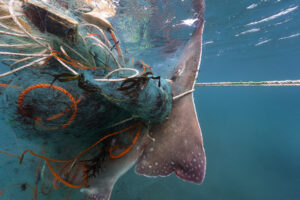
Somewhere in the middle, most marine reserves have a level of activity allowed, with varying degrees of oversight. With the shocking images of bottom trawling – shown for the first time in the latest Attenborough documentary – etched into our minds, the level of activity that governments encourage in most marine reserves is a significant matter of debate.
Invasive fishing drags large, heavy nets across the sea floor and devastate fish populations, undermining the very purposes of marine protected areas. Nevertheless, numerous positive examples demonstrate that when marine ecosystems thrive, so too can local economies.
The Firth of Clyde, a stretch of the sea on the western Scottish Highlands that leads to the North Atlantic Ocean, has been the feeding ground of local communities and beyond for centuries. A few years ago, the once-flourishing ecosystem was nearing its endpoint. Decades of mismanagement reduced a once diverse fishery to only a handful of commercially viable species and resulted in an 80 % decline in fishing vessels.
With the whole community on board, the remarkable work of local conservation expert Howard Wood led to Scotland’s first no-take zone in 2008. The Isle of Arran is an example of how researchers and community groups working alongside politicians, can offer solutions that benefit the economy, climate, and biodiversity. After three decades of community-led actions, the island is re-born.
“The most important thing about marine protected areas is that they help us to come to our senses. To understand what we were losing and deciding that we really need to do much more,” says marine biologist Anne Sheppard. After several years monitoring marine pollution around the world, she returned home to Arran. There she decided to utilise her experience for the community cause, becoming Chair of the Community of Arran Seabed Trust (COAST), a community-led organisation reversing the decline in Arran’s marine habitats.
“There are lots of different things affecting our oceans. By protecting what we can, we add a bit of resilience to what’s there to withstand other onslaughts that we cannot protect,” says Sheppard. Invasive fishing is only one of the many challenges MPAs face today.
Other features

When Galapagos turtle conservationist Juan Pablo Muñoz-Pérez started to find strange colourful particles both in the bodies of dead beached turtles and among the sand grain of remote beaches, he realised that they had a plastic problem.
Indeed, a growing body of science is uncovering a silent invader that slips past the most robust protections and disempowers local communities from effectively managing their own territories. Marine protected zones are being quietly undermined by microplastic pollution.
From a revolutionary material in less than 50 years, plastic is now a ubiquitous plague that is nearly impossible to eliminate. Millions of tons of waste fill the environment every minute, and a surge of degrading rubbish enters the oceans as we speak.
Once in the environment, this insidious thing creeps up gradually, never truly disappearing.
“For the younger generation, plastic particles mixed up with sand, it’s just something that’s always been there,” says Sheppard. Overall, two-thirds of the recently available data worldwide indicate that seawater microplastic levels in MPAs are as high as those in non-protected marine areas. More recently studies have shown that microplastic contamination occurs even in the most restrictive MPAs and uninhabited places.
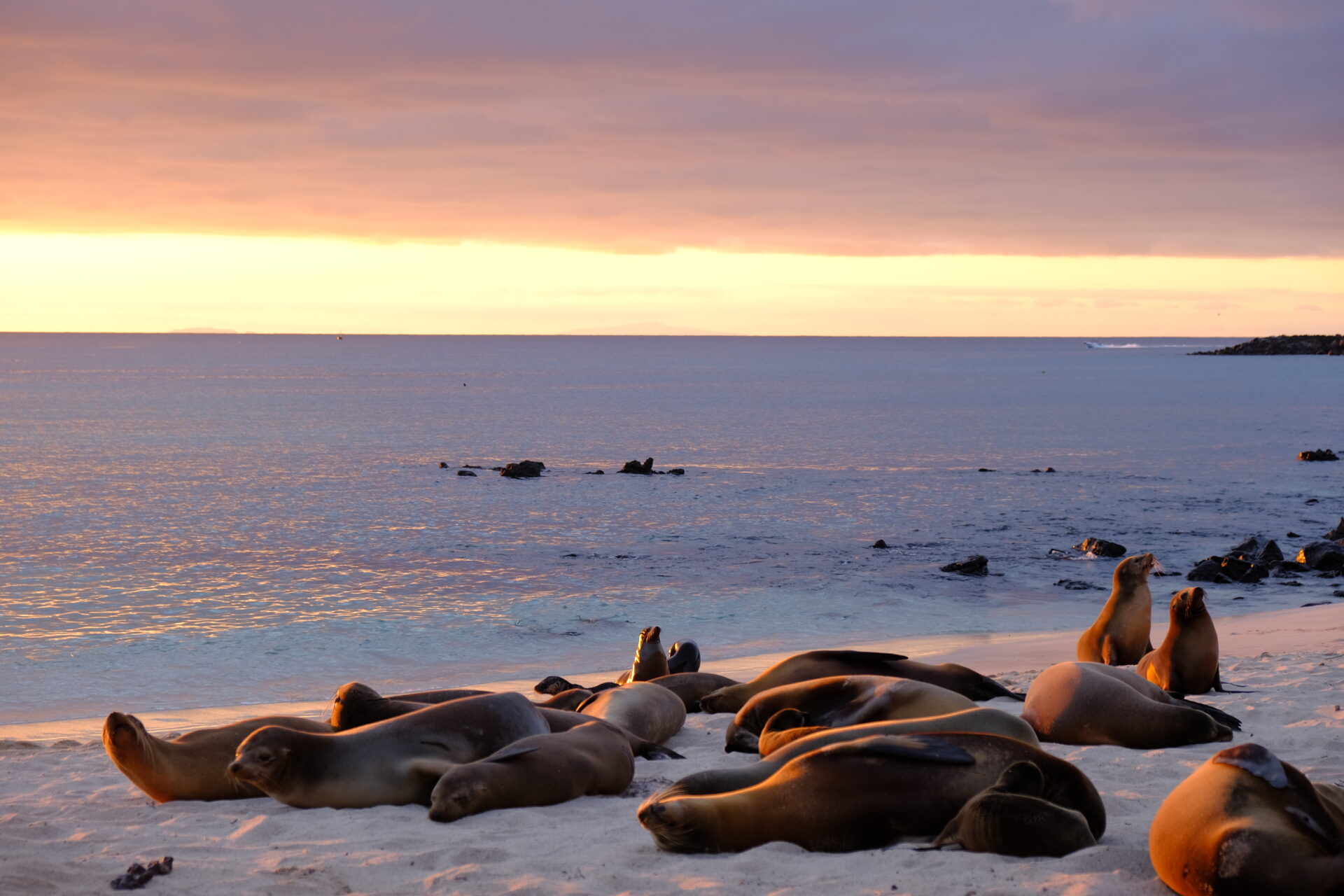
Deemed one of the most pristine ecosystems in the world, the Galapagos Islands are also under pressure from this growing problem.
Worried about the future of a place that has barely changed since Charles Darwin visited in 1835, Muñoz-Pérez sought the help of the Galapagos Conservation Trust, which alerted marine plastic pollution experts from all over the world.
“When they got in contact with us back in 2018, we went to see how we could help the local researchers and to get some data on the extent of the problem. We then went back in 2021 and used a slightly different technique to really show how vast was the microplastic problem within the Galapagos National Park,” says Ceri Lewis, Exeter University Professor and one of the main leaders of the Pacific Plastics: Science to Solutions network.
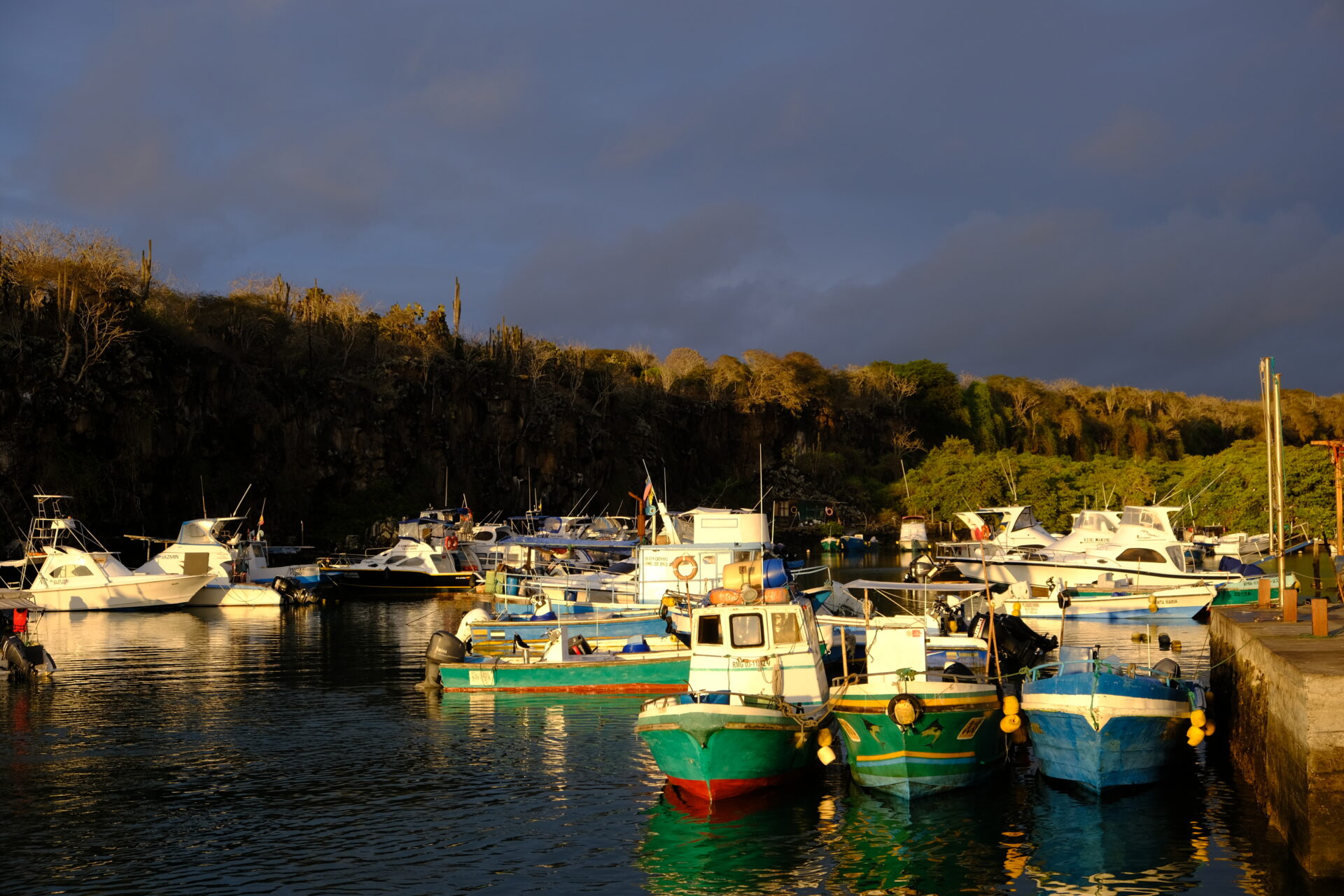
The Galapagos endemic biodiversity is a crucial ecosystem and an essential marine corridor for migratory marine species. The Galapagos Marine Reserve is one of the largest in the world, covering a total area of almost 133,000 km² and accounting for a significant portion of Ecuador’s ocean protection.
“The problem with microplastics in the water is that they do not respect the boundaries of protected areas, and they are available for any mouth in the ocean,” continues Lewis.
Nevertheless, the Galapagos Conservation Trust in collaboration with the Galapagos National Park Directorate and other partners in Galapagos, had already launched the Plastic Pollution Free Galapagos’ (PPFG) programme – the first targeted action programme, spanning from grassroots to Government, to transform science into practical solutions.
Building upon the new scientific evidence they brought in partners from the region and internationally to tackle the problem across the whole Eastern Tropical Pacific through the Science to Solution network.
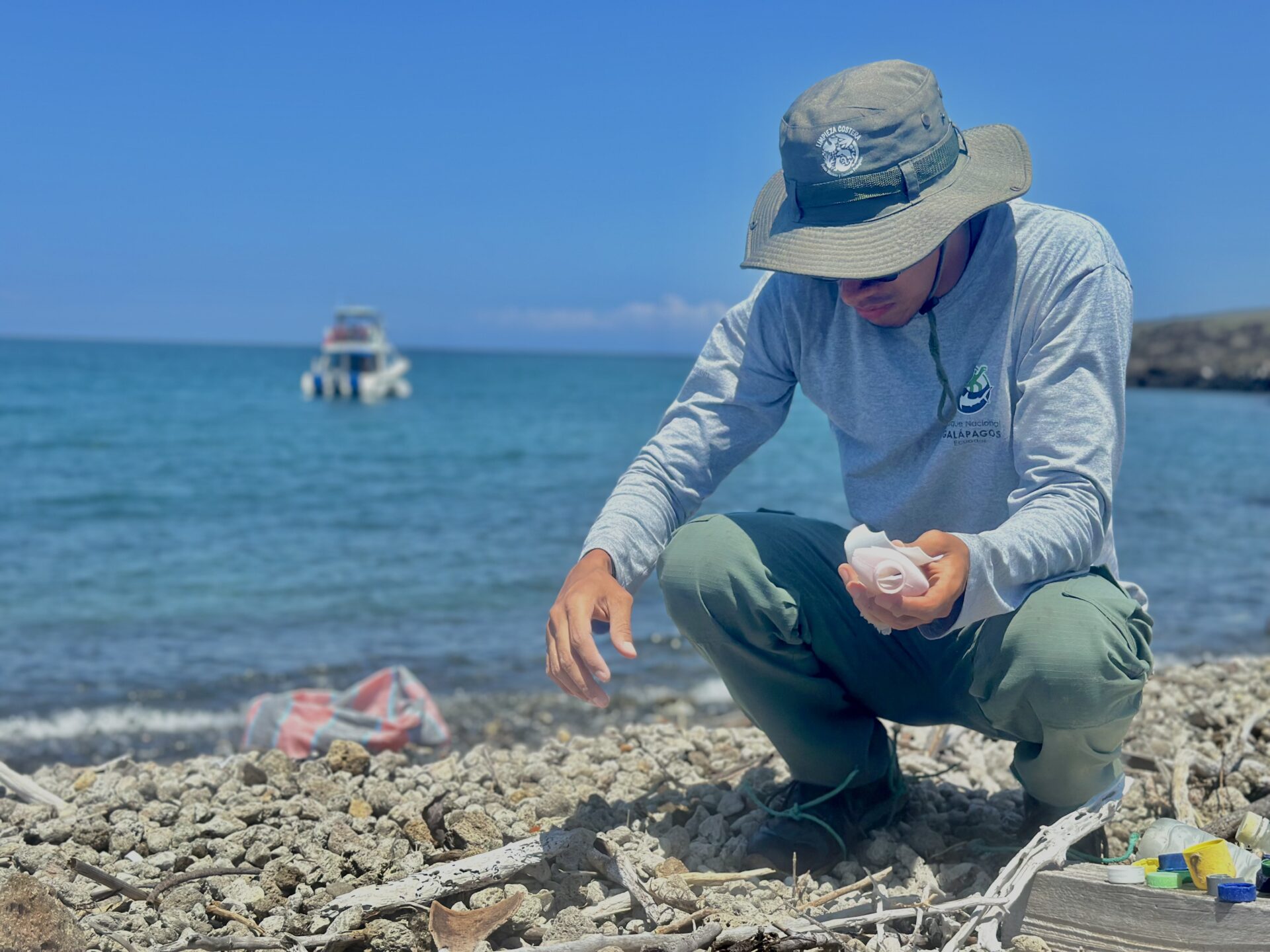
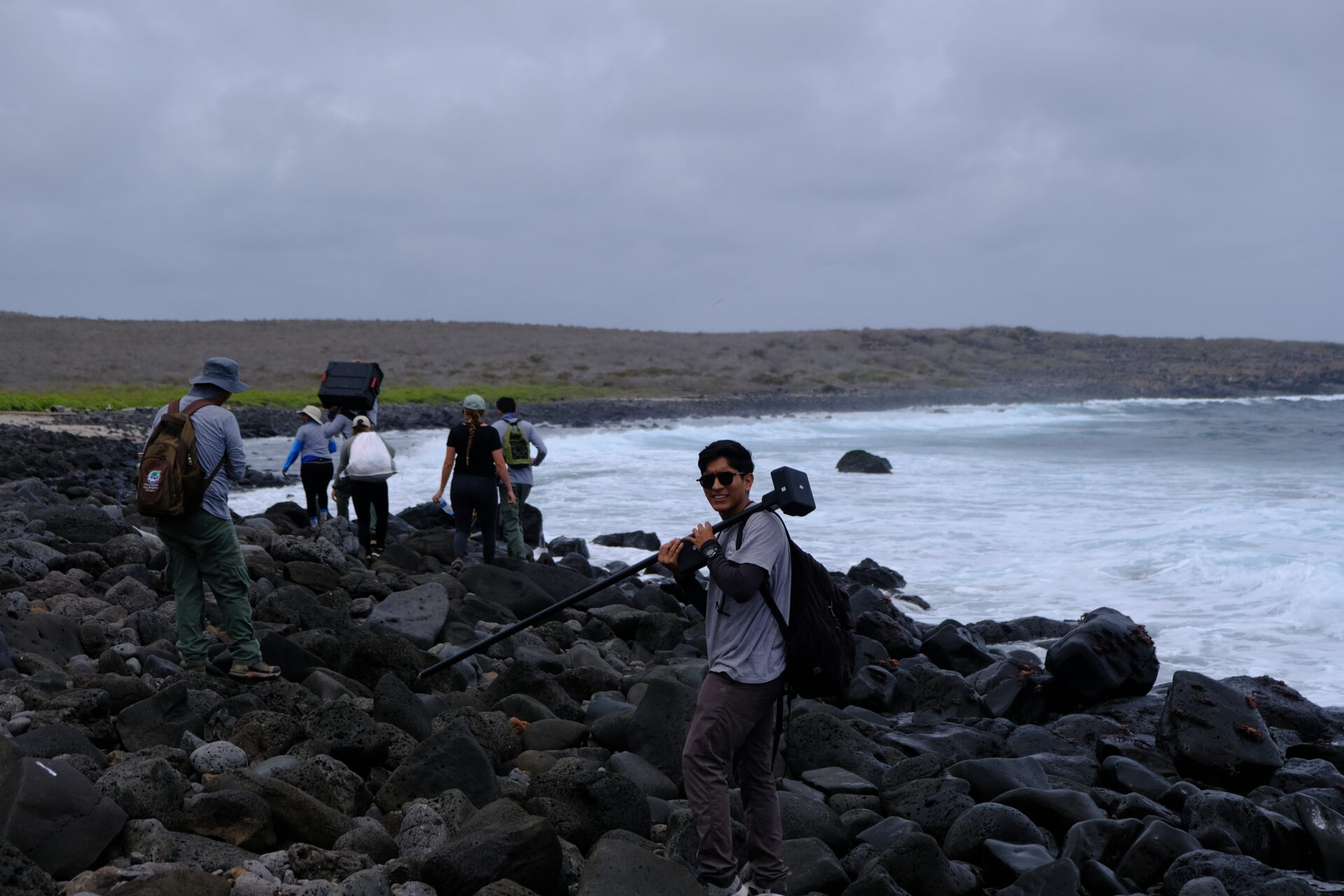
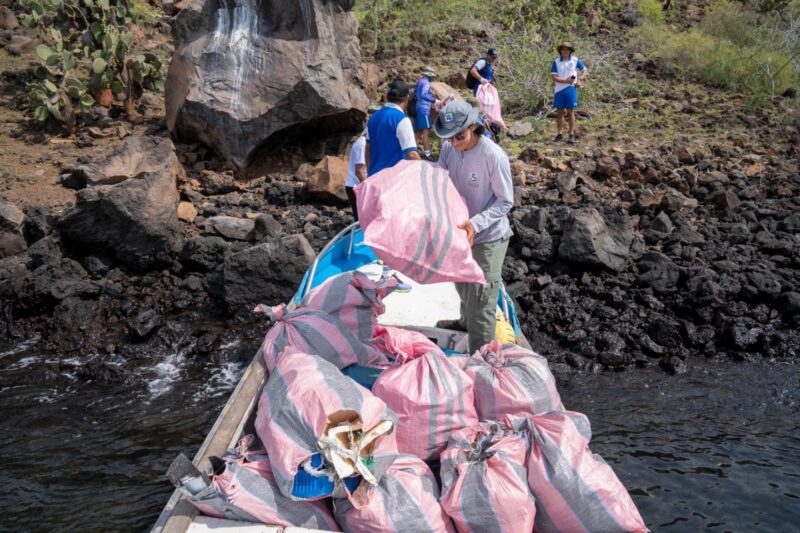
The first part of the project focused on clearly understanding and estimating the sources, sinks, and pathways of plastic in the marine environment. To do so, they built a 360° program involving over 20 different partners from across Galapagos, mainland Ecuador, Peru, Chile, the UK, Europe and Australia.
“We worked with many partners from all over the world, like the Dutch oceanographic modeller Erik van Sebille [from Utrecht University], who helped us understand how the currents were bringing the plastic particles from the mainland.”
By coupling increasingly high-resolution data on ocean surface currents with strategic observational data collected on environmental plastic pollution at a regional scale, the team demonstrated that the surge of waste originates mainly from continental Central and South America, as well as international fishing fleets operating at the border of the reserve. Oceanographic models have pinpointed northern Peru, southern Ecuador, and – during the warm season – Panama as the primary continental sources of plastic pollution, which travel on the strong convergence of oceanic currents to the east of the Islands.
The data shared with the park management highlighted the urgent need for specific actions.
“The Galapagos National Park Directorate is a great example of a positive response to scientific data. Since the start of the project, the National Park decided to be really proactive in how they tackle plastic pollution.”
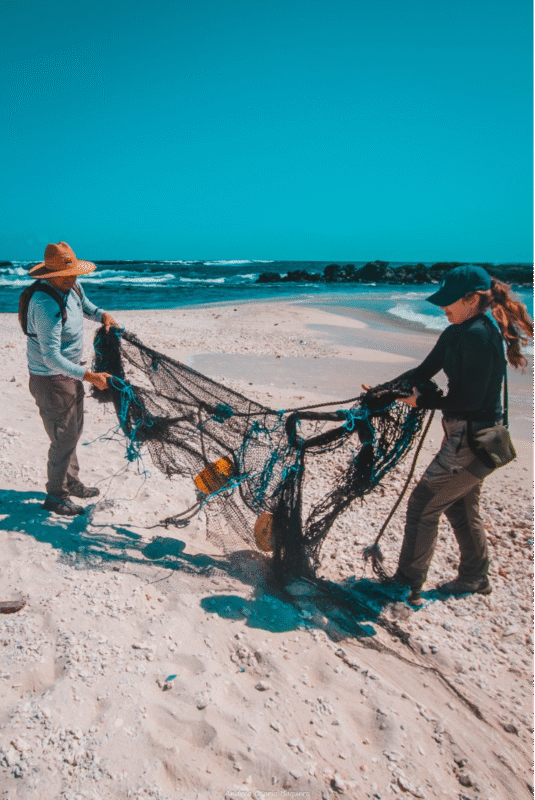
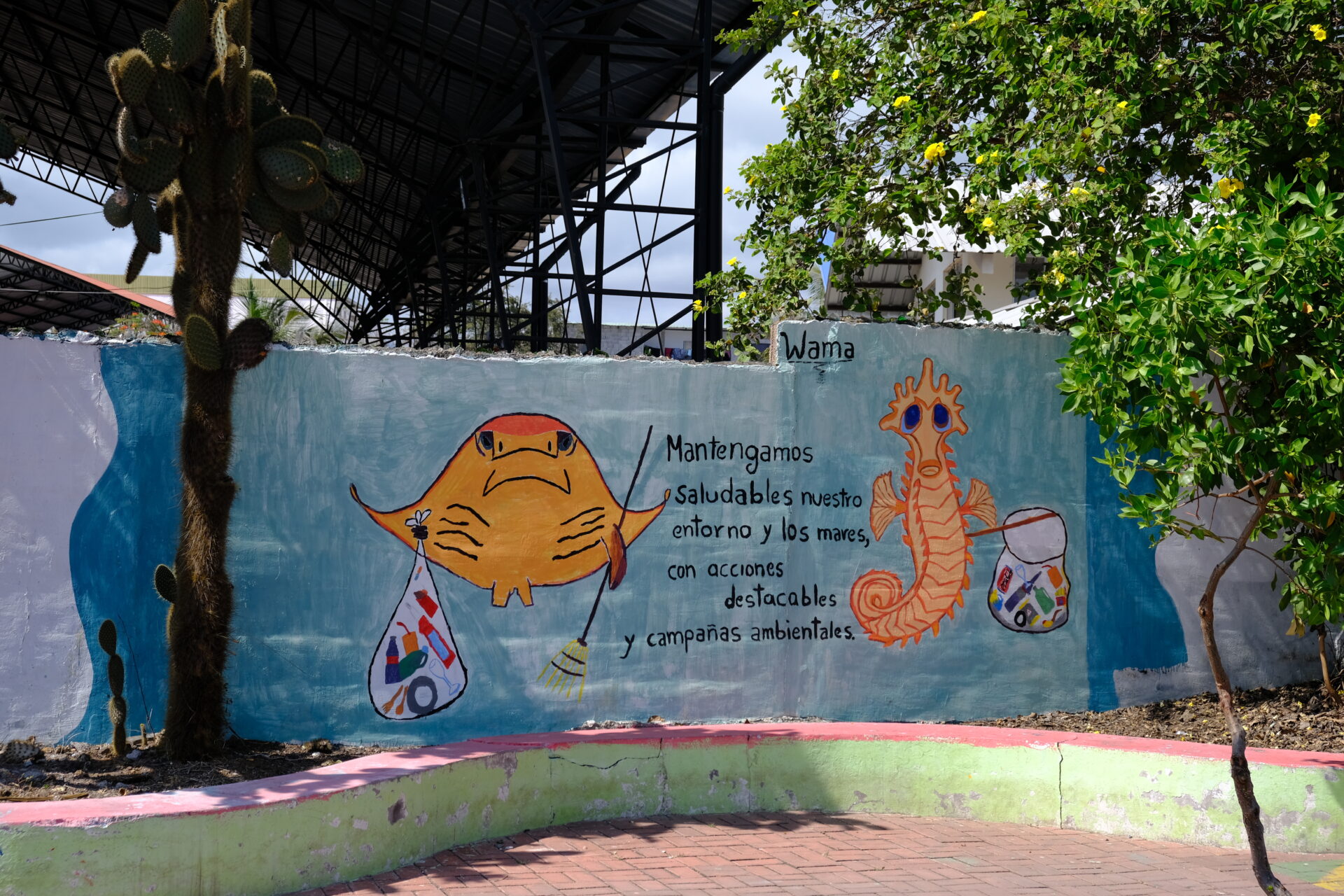
The scientific data were quickly integrated into multiple solutions tackling plastic pollution in the Galapagos Archipelago by informing cleanups, as well as education and advocacy campaigns and initiatives focused on land-based plastics, such as the Azure system.
Designed by the Ecuadorian-British start-up company Ichthion, it consists of a barrier that can capture large, buoyant waste in various river systems and across deprived areas in developing economies that suffer from environmental contamination and lack of sufficient waste management infrastructure.
“In over two years of using barriers on the river, they’ve collected 13 million tons of plastic that would otherwise end up in the ocean. We’re also mapping how you would design a circular economy whereas other partners are trying to design bioplastics that actually biodegrade, made from sustainably sourced materials within the Galapagos, so you’re not having to ship stuff out there in the first place.”
When plastic pollution is concentrated in an area such as a marine reserve, brimming with biodiversity and productivity, this novel pollutant poses substantial ecological and socioeconomic risks. The programme also wanted to understand the impact of marine plastic on Galapagos species and how it moves through the ecosystem.
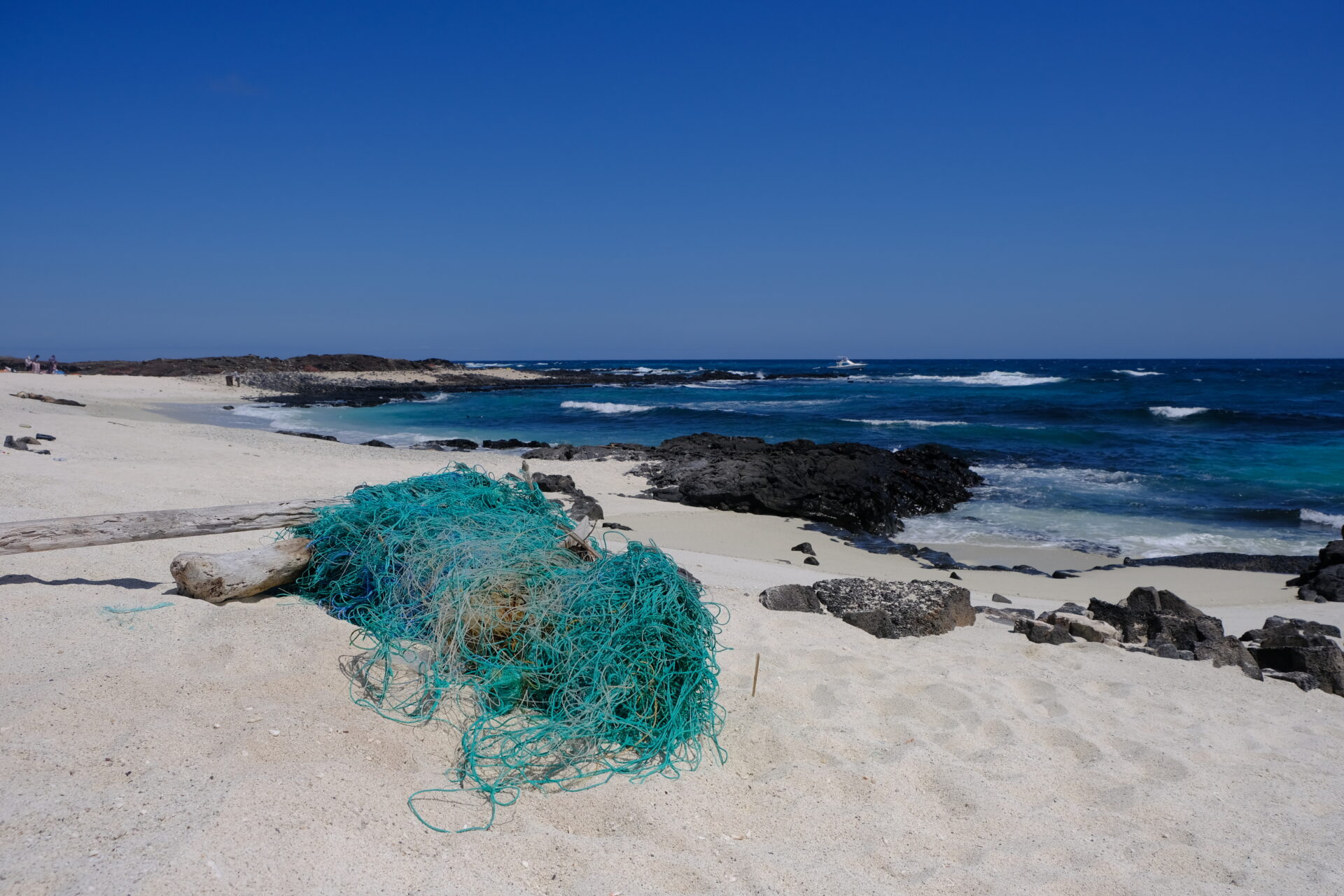
During the 5-year project, the team found plastic contamination in all marine habitats surveyed, with hotspots for beach plastics on the eastern coastlines. They also found 27 marine vertebrates, mostly endangered, at high risk of harm from entanglement and ingestion.
“We found a strangely high concentration of paint fragments, a type of microplastics specific to boat paint, in one of the most critical sites for hammerhead shark reproduction. We also found high levels of microplastics adhering to rock algae in Punta Pitt, the only place in the entire Archipelago where Goliath iguanas reside,” says Lewis.
“Obviously, the iguanas feed from the algae off the rocks, and the sharks filter the polluted waters in, so we certainly know that there are lots of interactions with highly protected species.”
And in the Galapagos, the problem is even more urgent due to the archipelago’s geographic location.
“Sitting on beaches at the Equator, where the UV Index is very high, plastics that reach the Galapagos marine reserve are likely to fragment into microplastic even faster than in other locations.” The longer that plastic items are on the beach, the higher the risk of fragmentation into microplastics. The higher the microplastic concentration, the higher the risk of being eaten by marine organisms.
While assessing the direct impact of microplastics on wildlife is challenging, several studies have shown that they are ingested by many species and can hinder feeding, growth, and reproduction, as well as increase animals’ susceptibility to infections.
Back in Exter, Lewis’ team conducted numerous laboratory exposure tests using sentinel species, such as clams and mussels, to understand the general impacts of microplastics and gauge the level required to see an effect at the population level.
“We’re not at those levels in Galapagos yet, but we are very close. It’s, enough for us to be concerned about vulnerable species and demand actions to reduce the level of microplastics within the reserve area.”
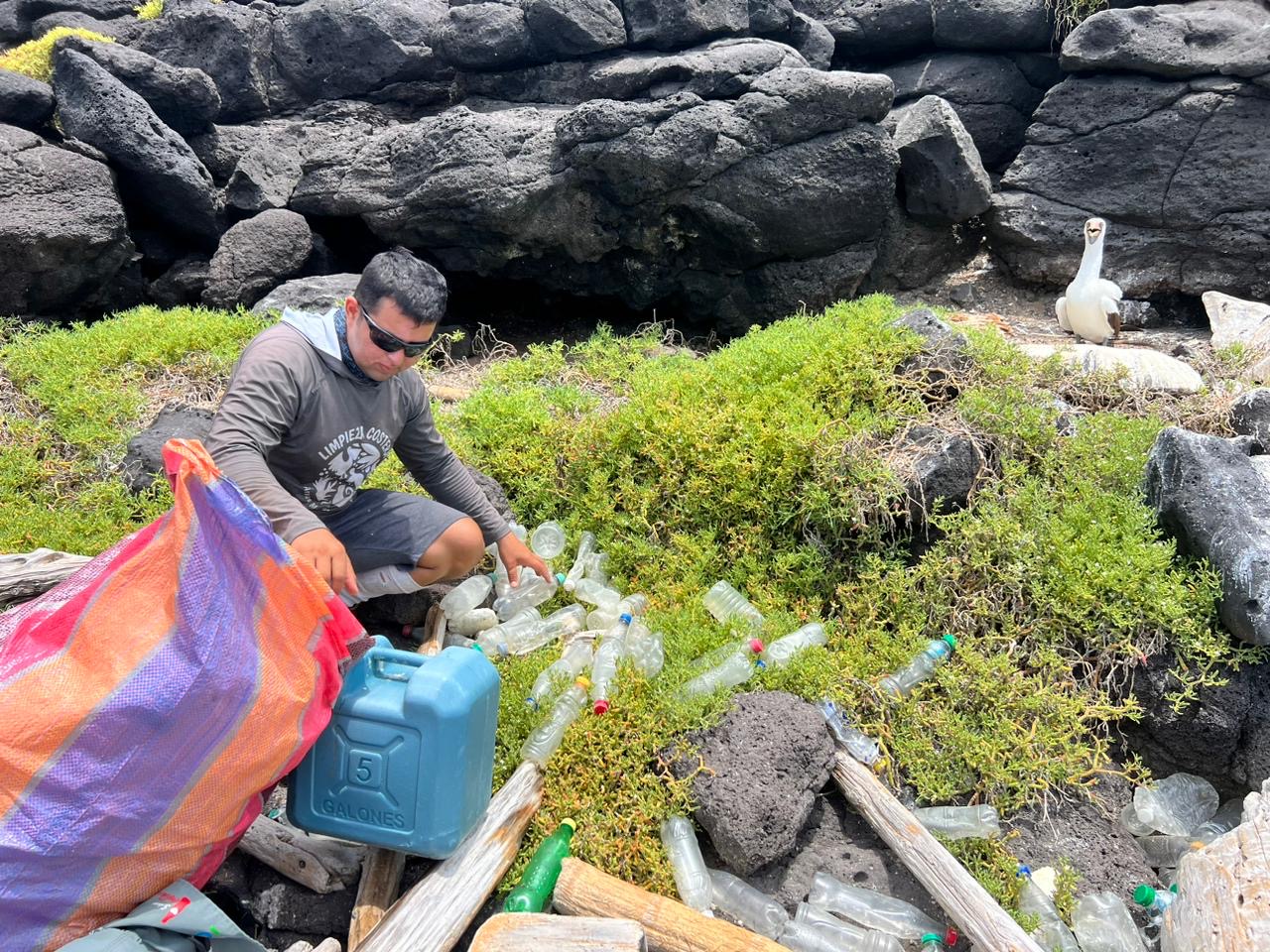
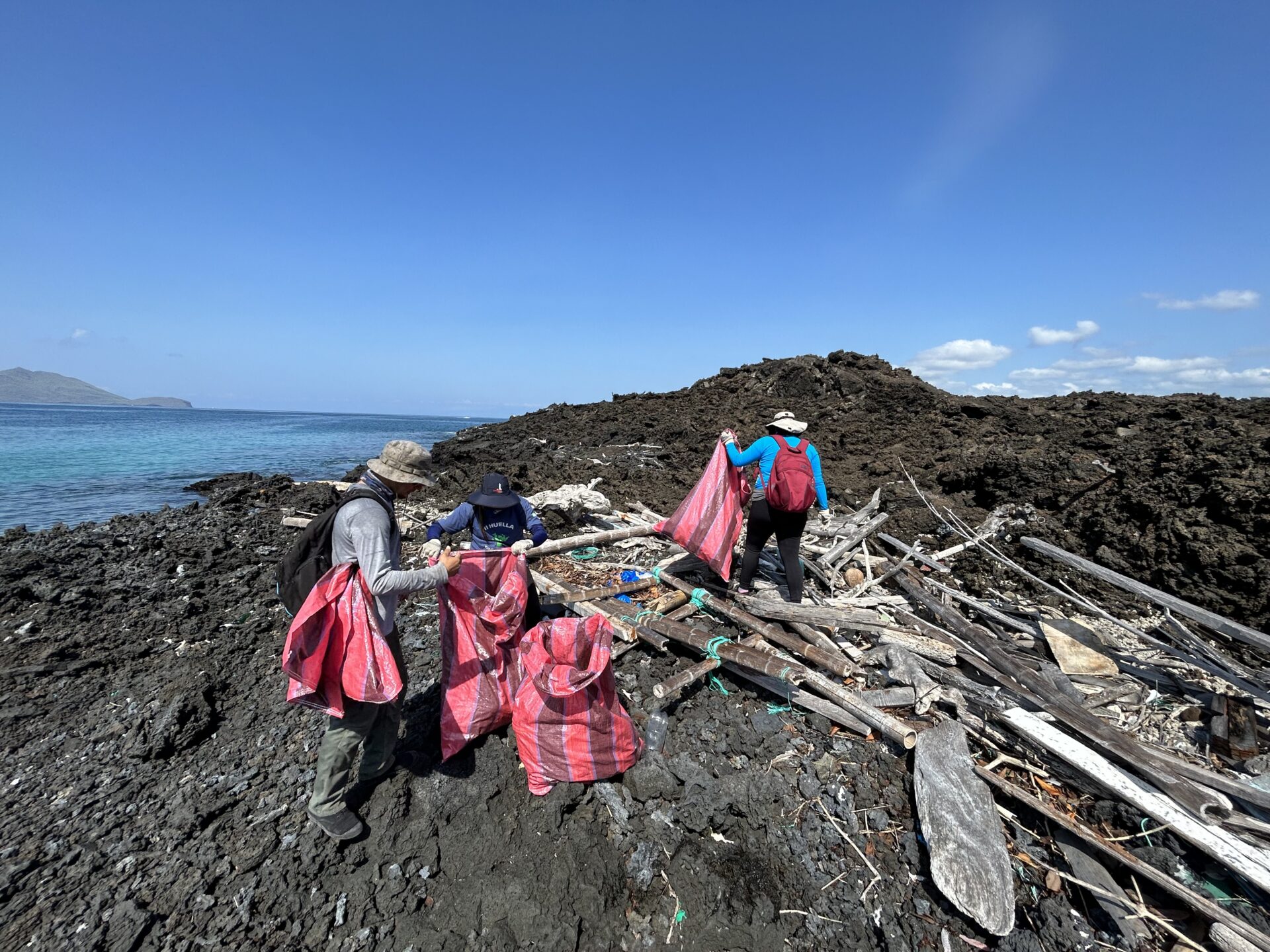
By bringing together a multidisciplinary blend of researchers, governmental organisations, community members, NGOs and change-making individuals, the Science to Solutions project sparkles as an example of strategic management plan to counteract plastic pollution in marine protected areas.
Guided by the needs of their community and the scientific evidence, they have identified key intervention points to trial solutions, and to build policies that work for the unique context of Galapagos. Their work supports Ecuador in the Global Plastics Treaty negotiations, as well as directly influencing local policies in Galapagos.
But despite the high level of engagement and passion, without a global revolution the Galapagos Islands, like most oceanic islands, are powerless against plastic pollution.
“Ultimately, we need the whole system to change. We need to totally change our relationship with plastic. Because the problem doesn’t stay locally,” continues Lewis. “It’s being transported across oceans. You have to go back up to where it’s coming from and stop it at source.”
As the ultimate fate for an ever-growing mismanaged plastic waste, we are witnessing a dramatic increase in floating microplastics over the past two decades.
“It’s always down just to those who care to do something about anything in this world, but plastic pollution is a systemic problem, and I think we need to tackle it from both ends,” she muses. “There’s an awful lot that people can do themselves to reduce their individual plastic use, but ultimately, we need these big systems changes to how we use this product.”

Printed editions
Current issue
Back issues
Enjoy so much more from Oceanographic Magazine by becoming a subscriber.
A range of subscription options are available.
